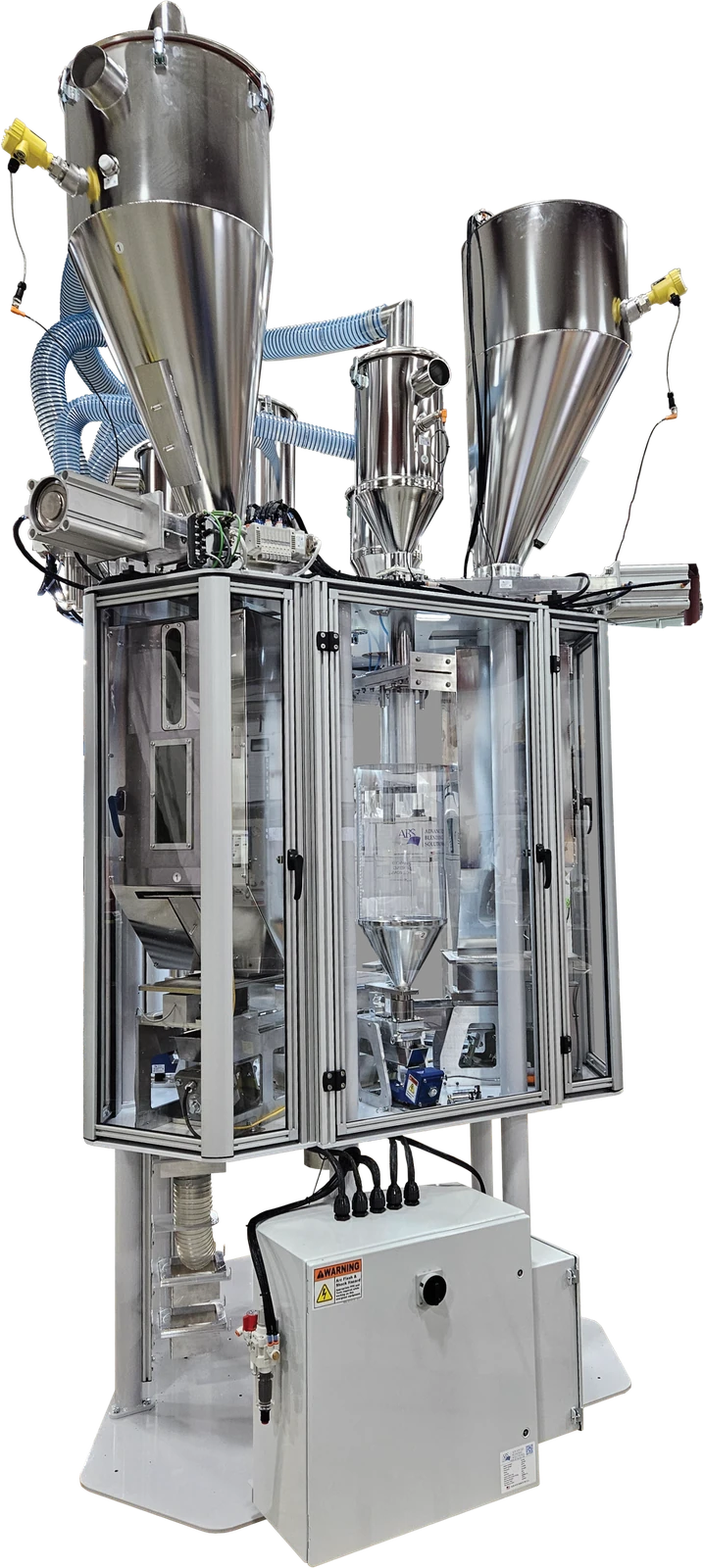

Advanced Blending Solutions designs and manufactures equipment for plastics processing in Michigan.
Dosing and mixing equipment measures and combines materials for production. Examples include gravimetric and volumetric dosing and batch or continuous mixing.
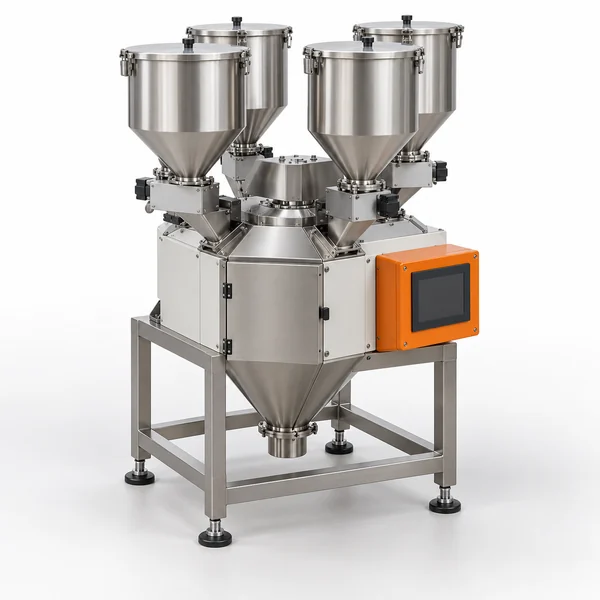
A powder batch mixer and in-line recipe dosing equipment solve different production tasks. Start with your materials and batch size or feed rate, then ask about a product trial or dosing accuracy for your process.
Advanced Blending Solutions designs and manufactures equipment for plastics processing in Michigan.
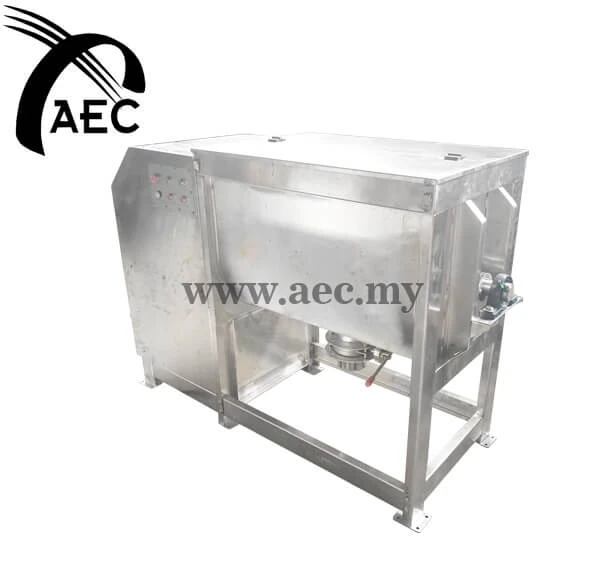
AEC Machinery manufactures and distributes machinery and has its headquarters in Jitra, Malaysia.
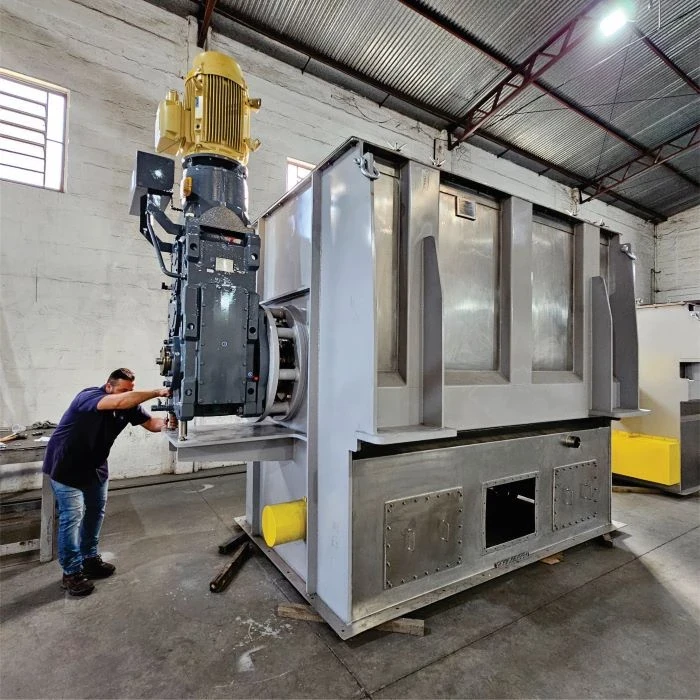
Agimix manufactures industrial mixing equipment in Batatais, São Paulo, Brazil.
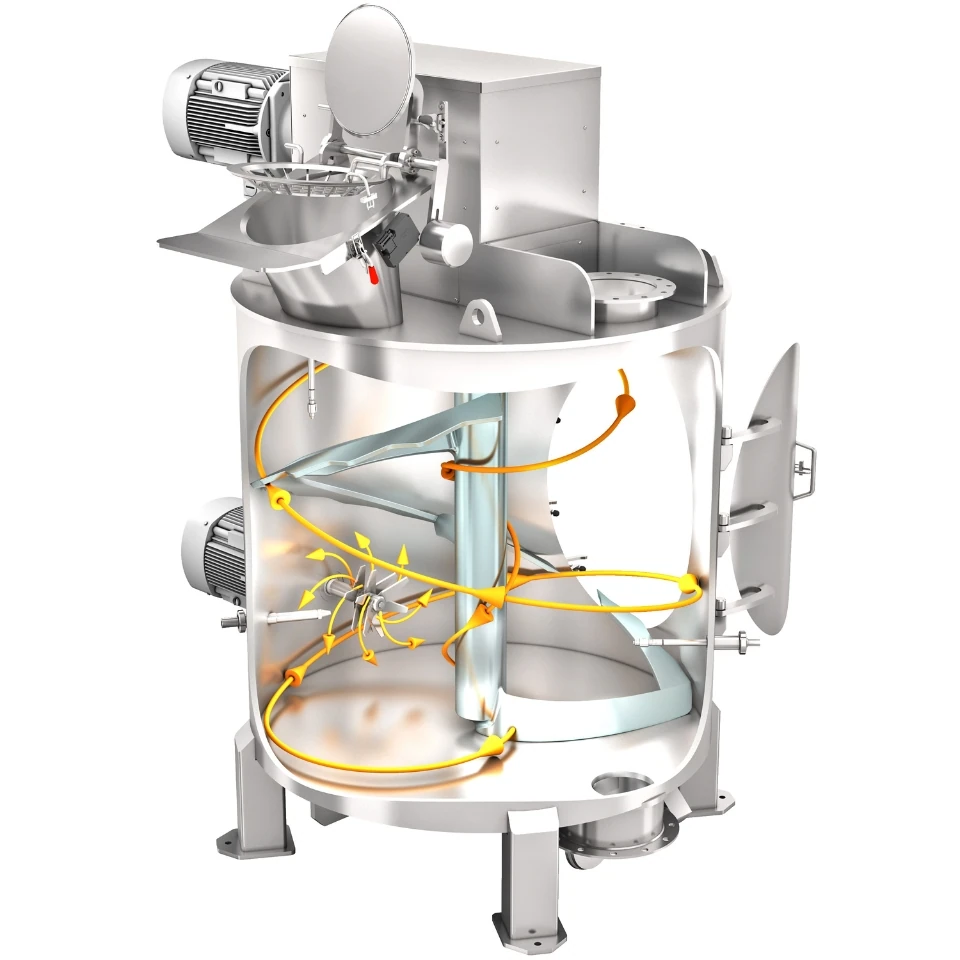
amixon develops and manufactures mixing and drying systems for powders, pastes and suspensions.
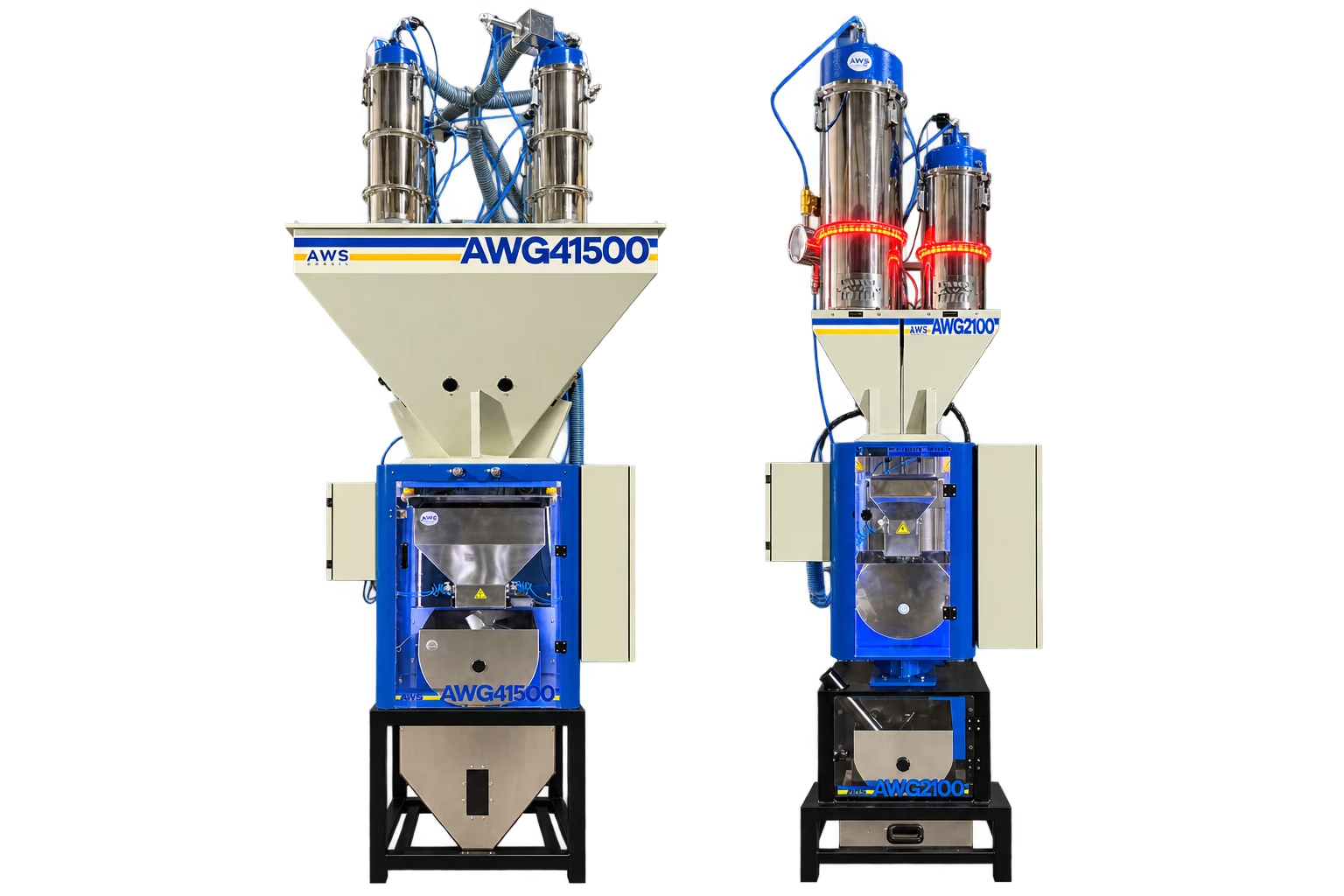
AWS Brasil designs and manufactures gravimetric dosing equipment for plastics processing.
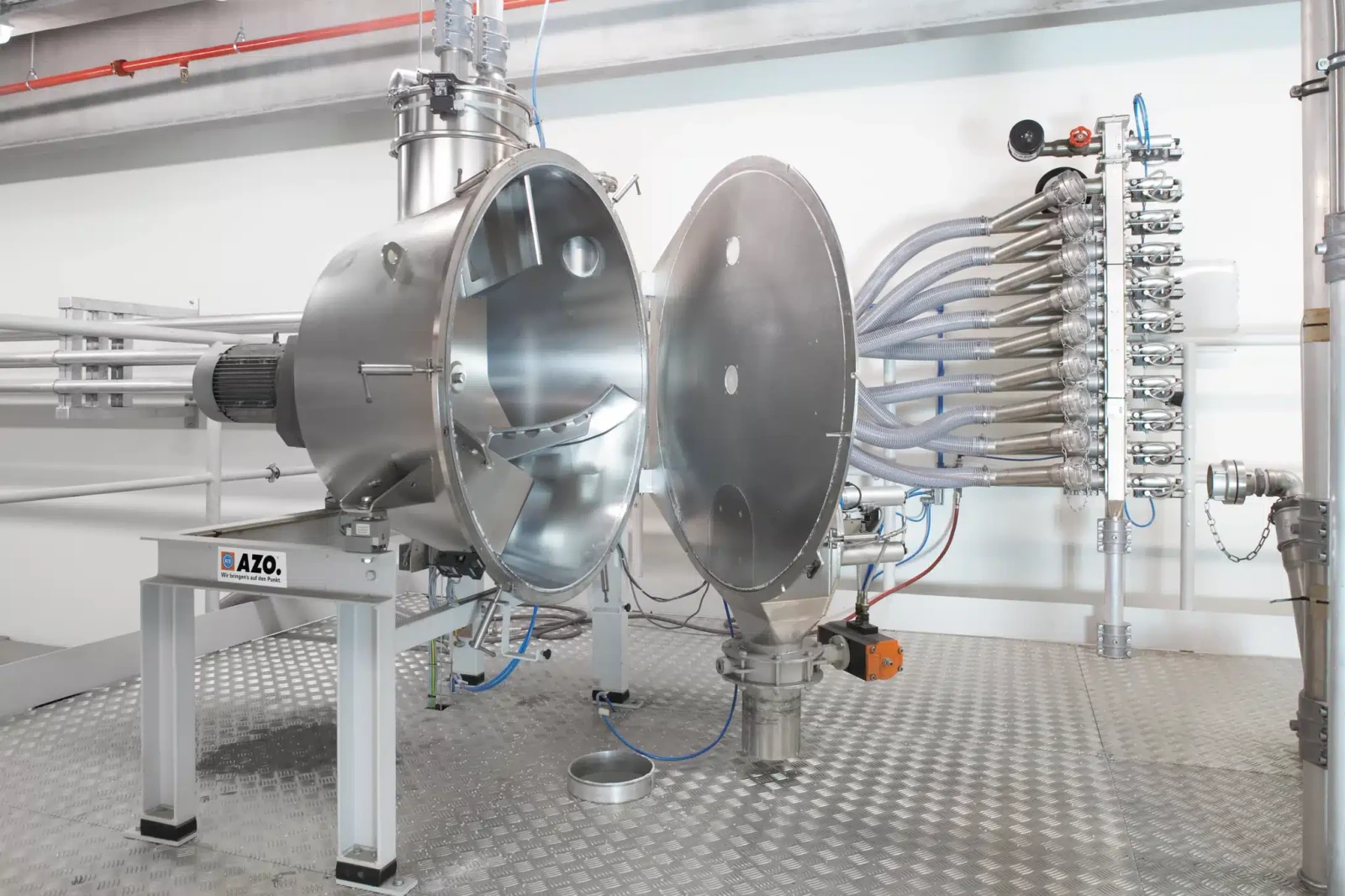
AZO supplies automated raw material handling systems from Osterburken, Germany.
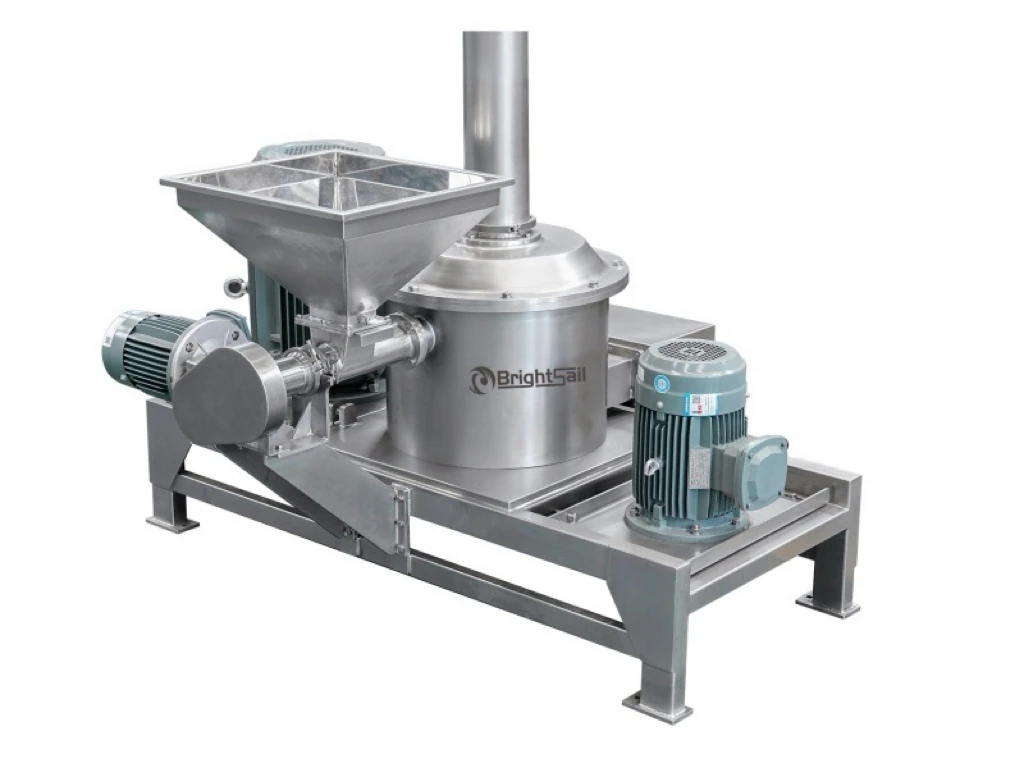
Brightsail manufactures powder processing machinery, including crushers, mills and mixers.
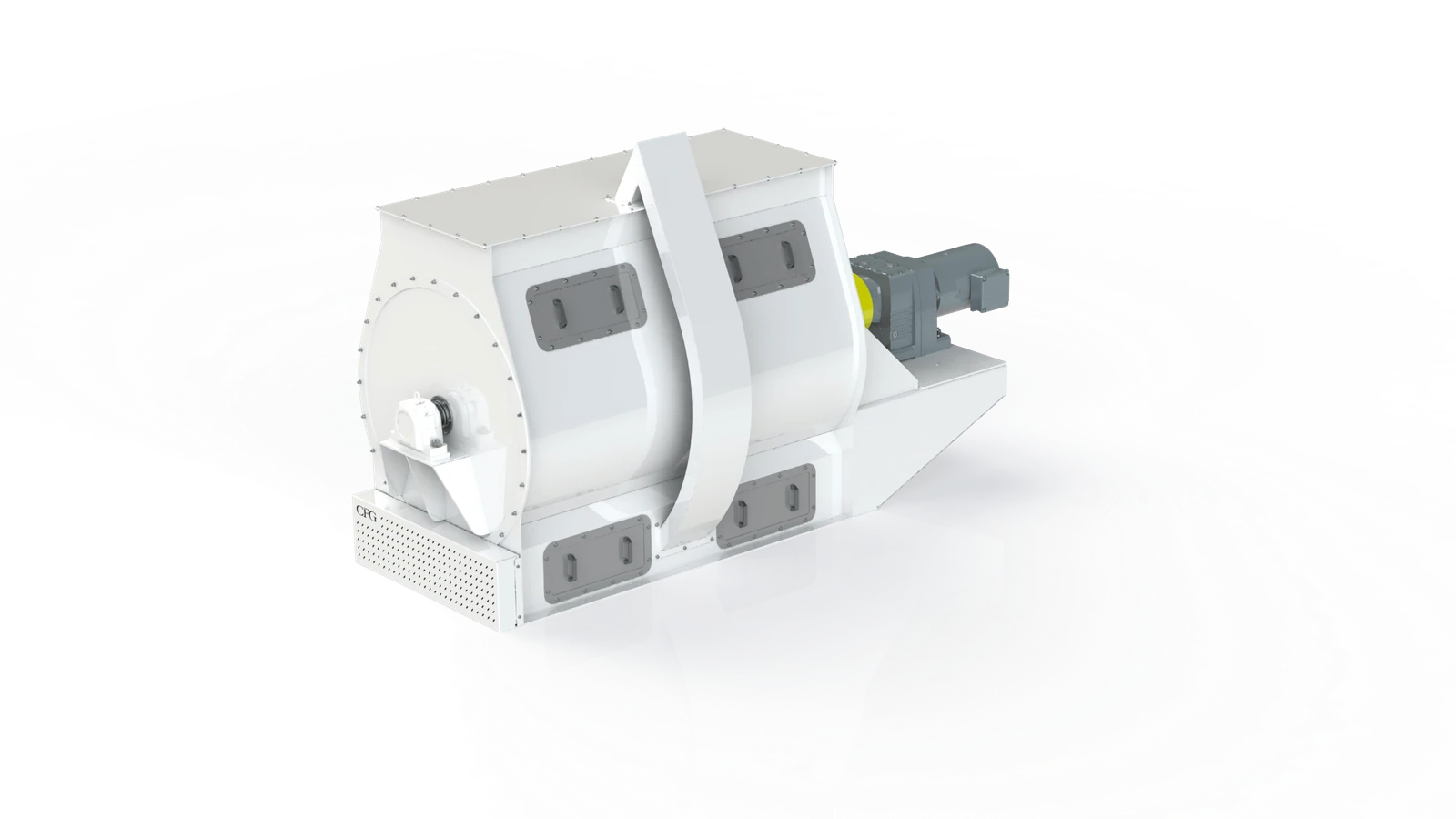
CFG Industrial manufactures equipment and represents machinery brands from Bom Jesus, Santa Catarina, Brazil.
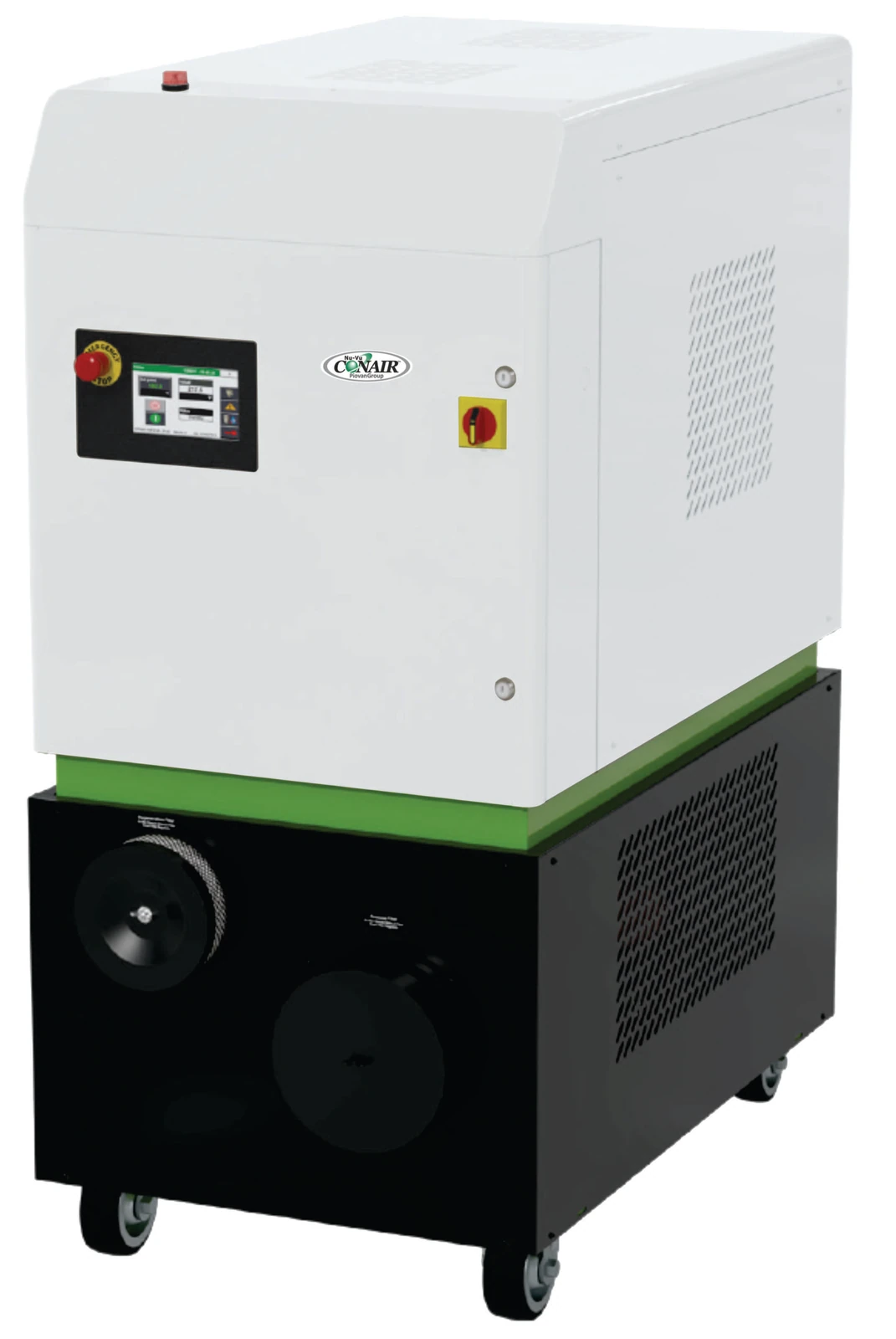
Conair supplies plastics auxiliary equipment and designs and installs complete systems.
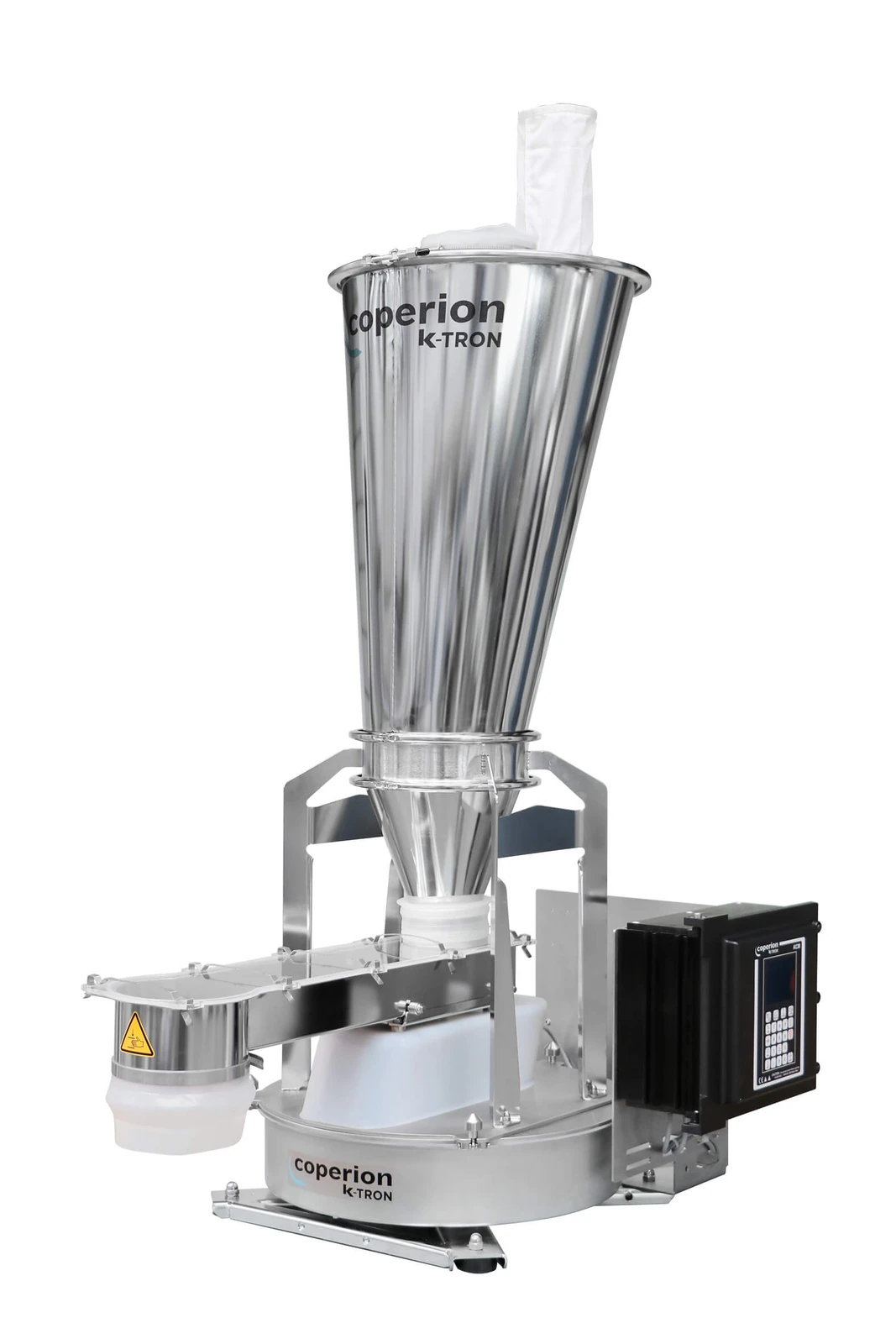
Coperion develops and produces bulk material handling systems for industries including plastics and food.
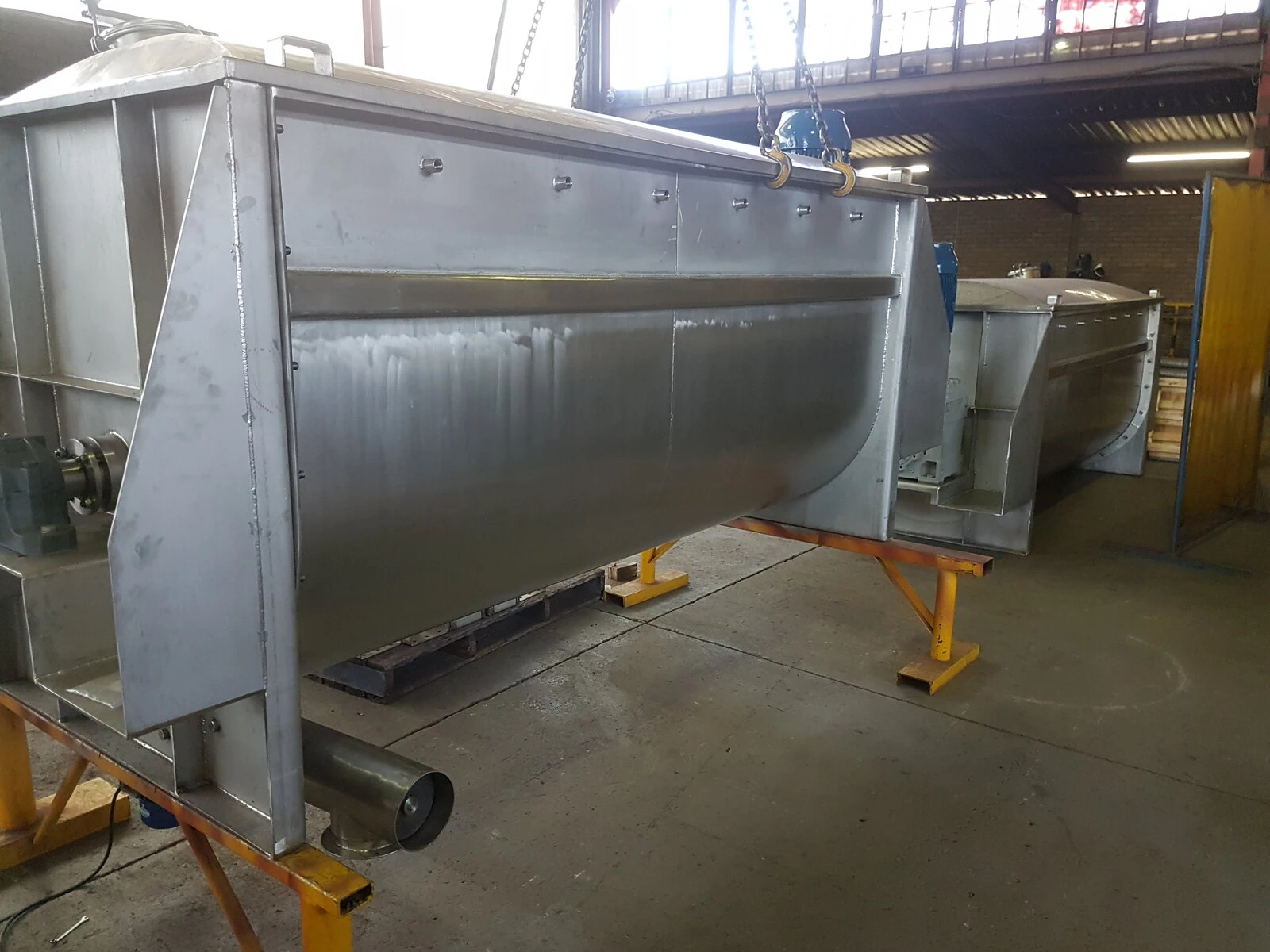
Facet Engineering designs and manufactures process and conveying equipment in South Africa.
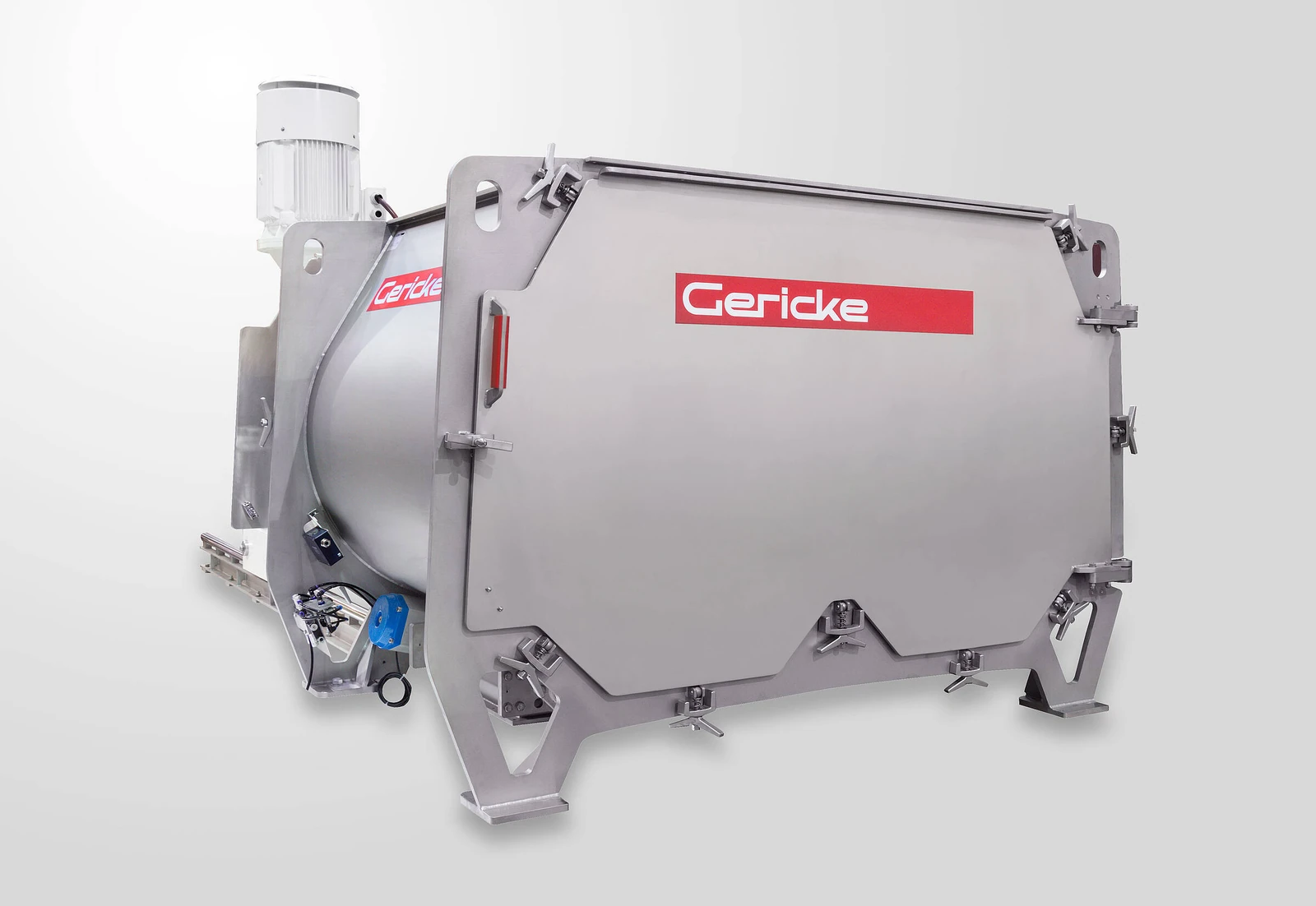
Gericke manufactures powder and bulk material handling equipment and is headquartered in Switzerland.
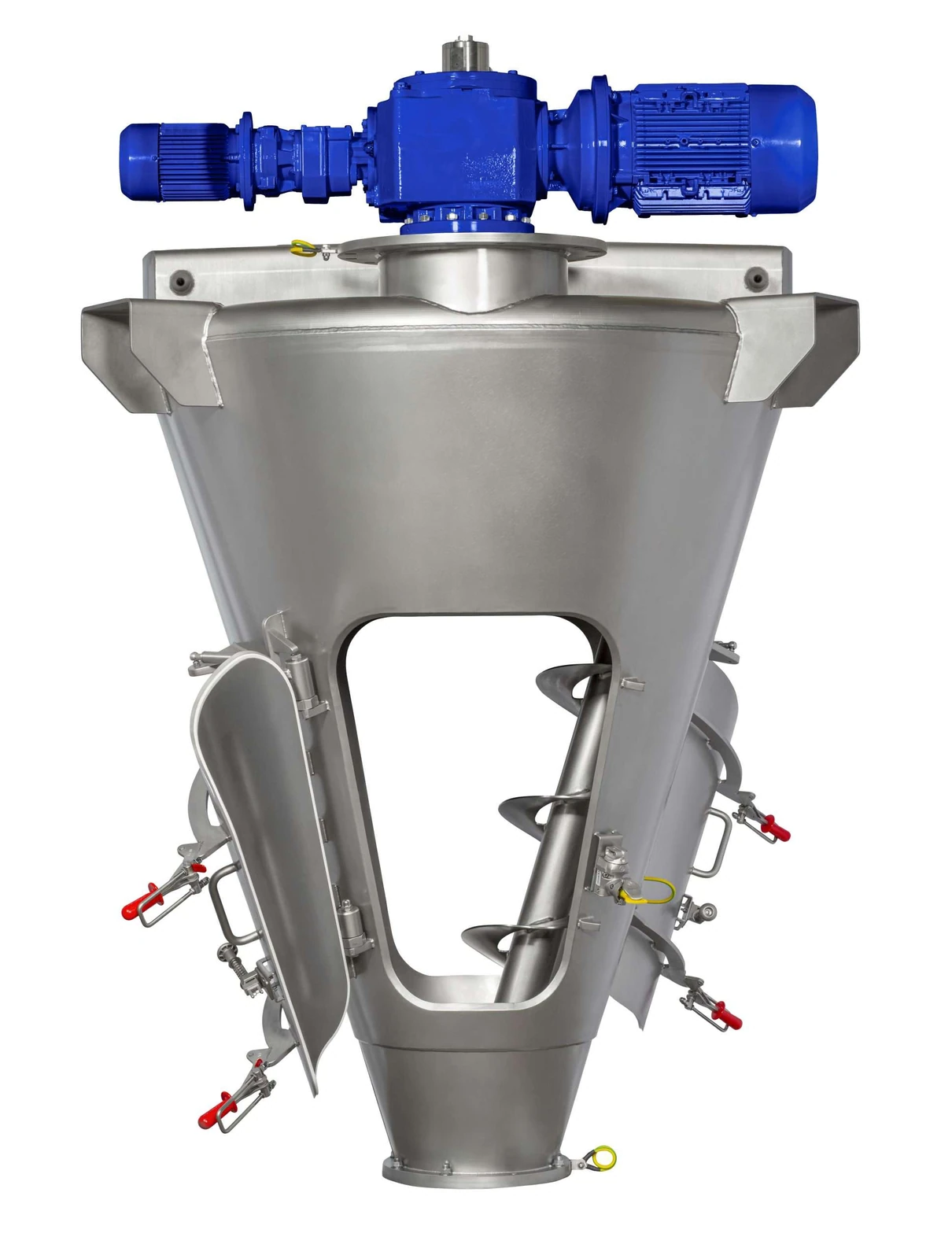
Hosokawa Micron B.V. offers equipment for vacuum drying and low-shear batch mixing.
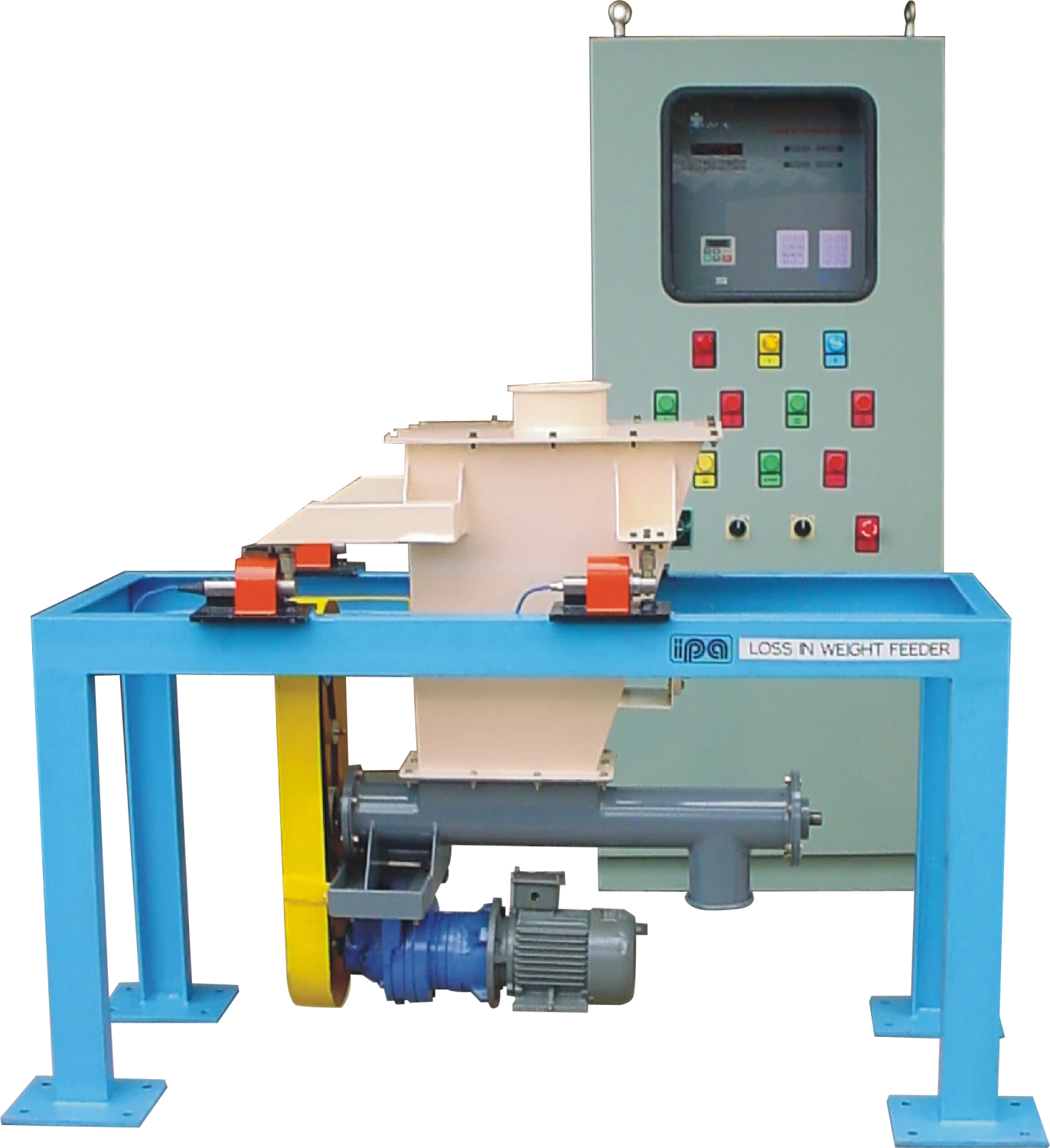
IPA makes weighing and automation equipment in India, including loss-in-weight feeders.
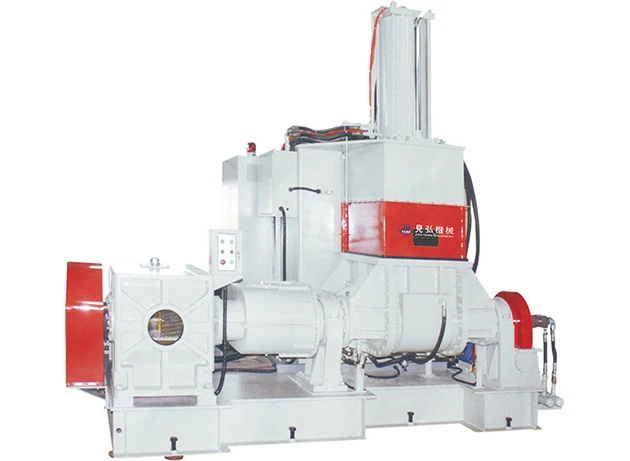
Jian Hong makes mixing equipment, including JHM-DK dispersion kneaders.
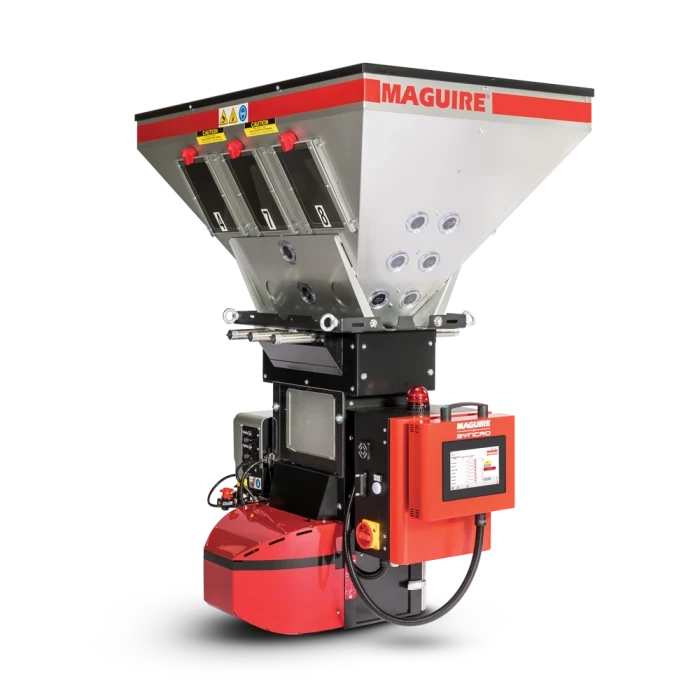
Maguire Products makes blending, feeding, drying and conveying equipment.
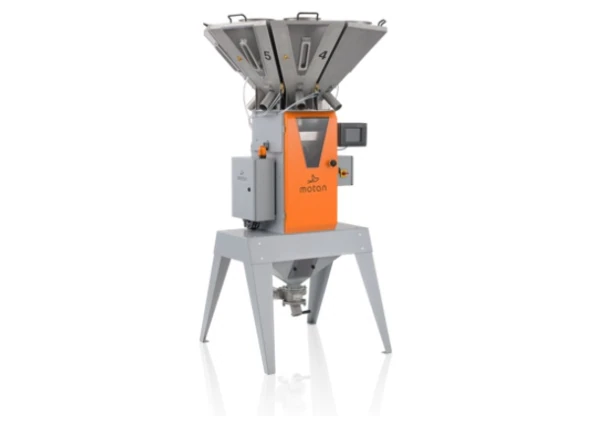
motan develops material management components and systems for plastics production and processing.
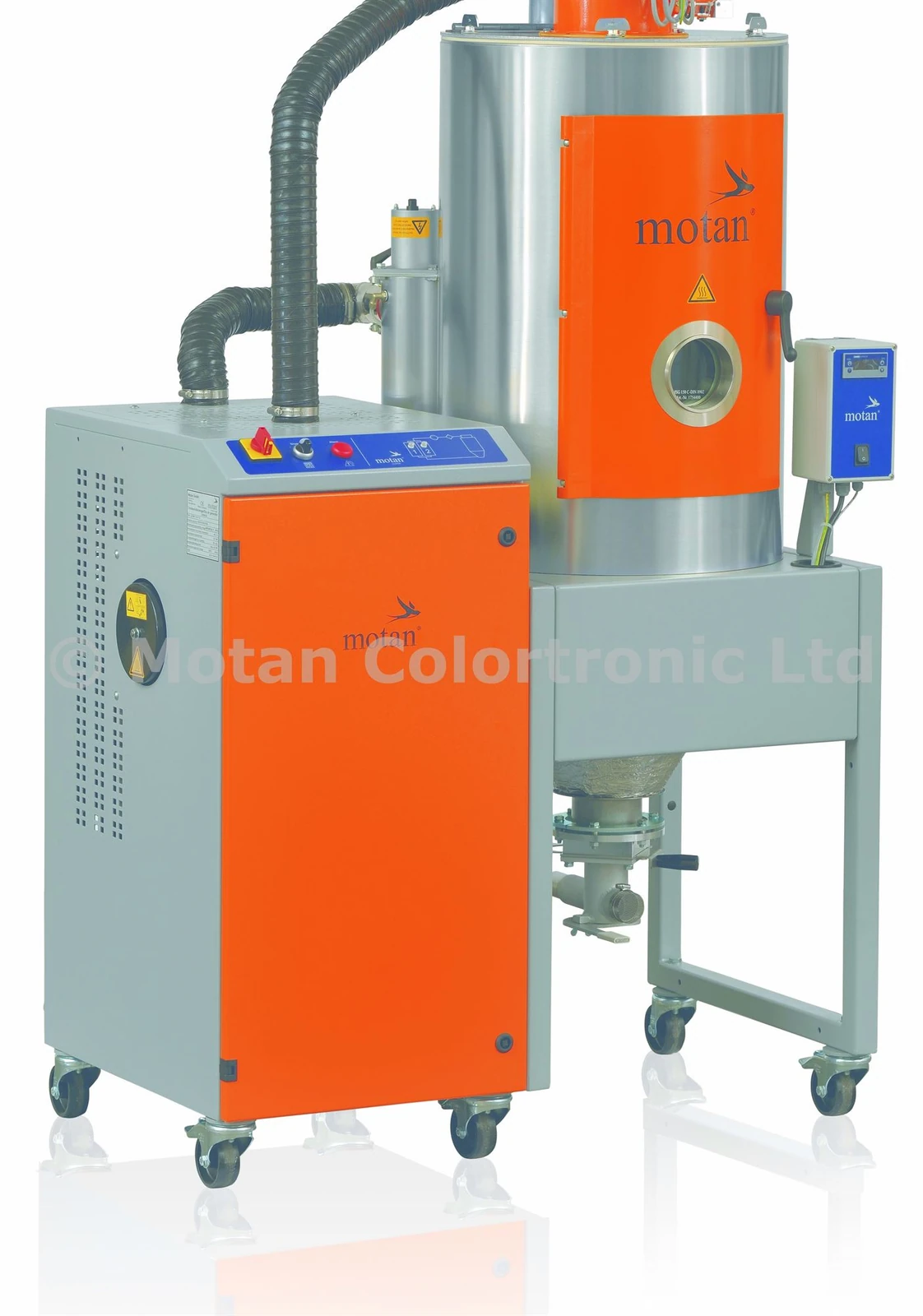
Motan Colortronic (UK) supplies auxiliary plastics equipment in the UK and Ireland.
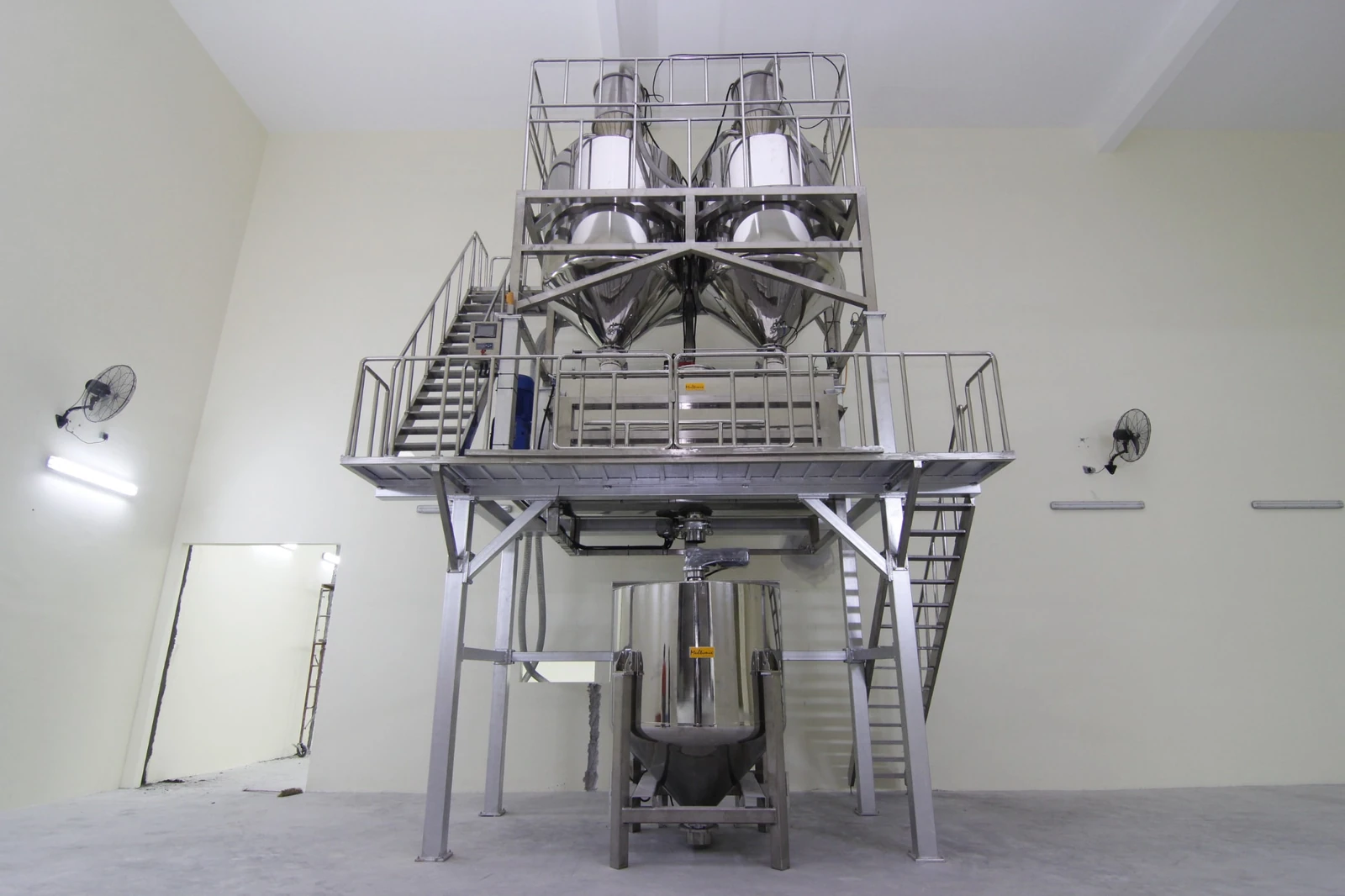
CKL Multimix manufactures industrial mixers in Malaysia, including powder and ribbon mixers.
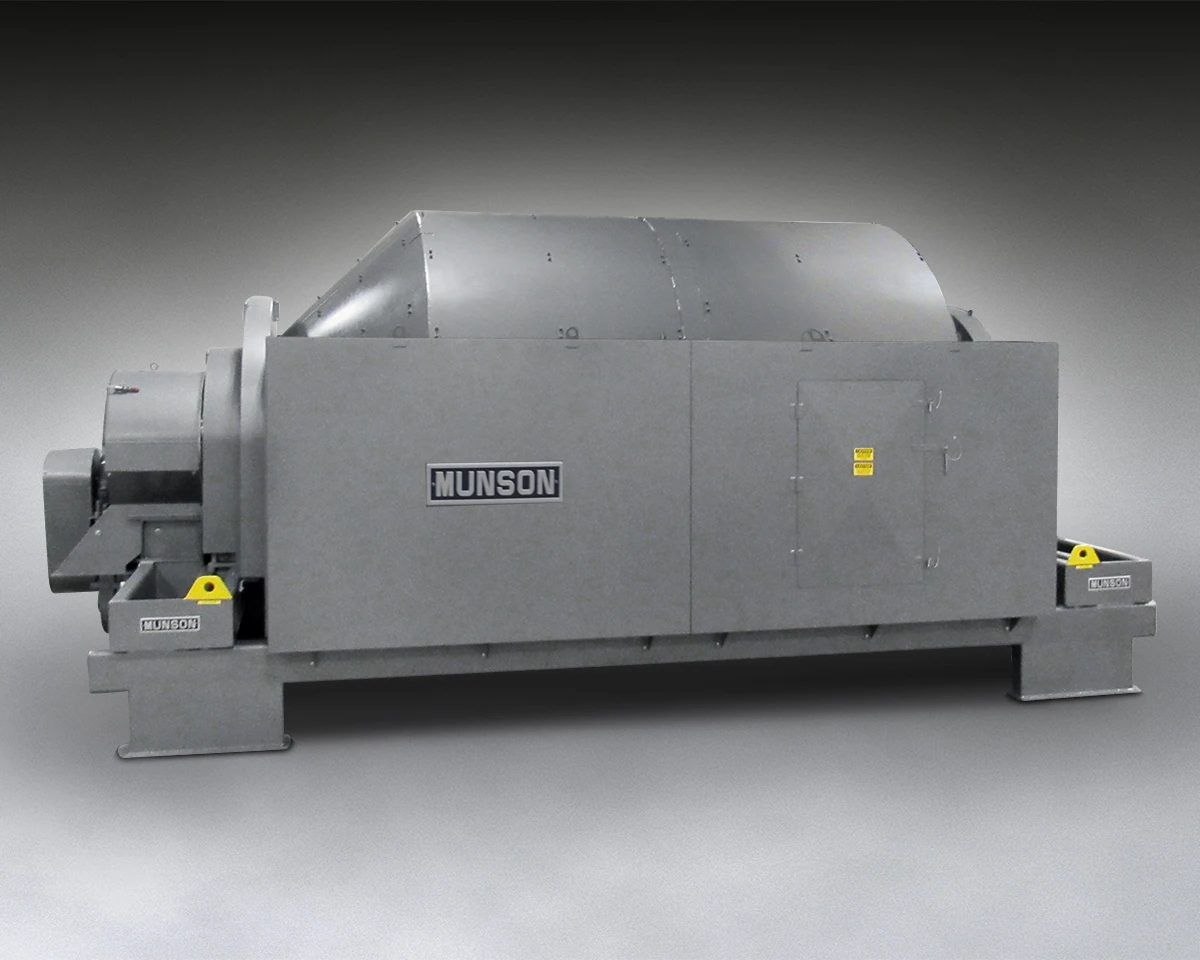
Munson Machinery makes batch and continuous mixing and size reduction equipment in Utica, New York.
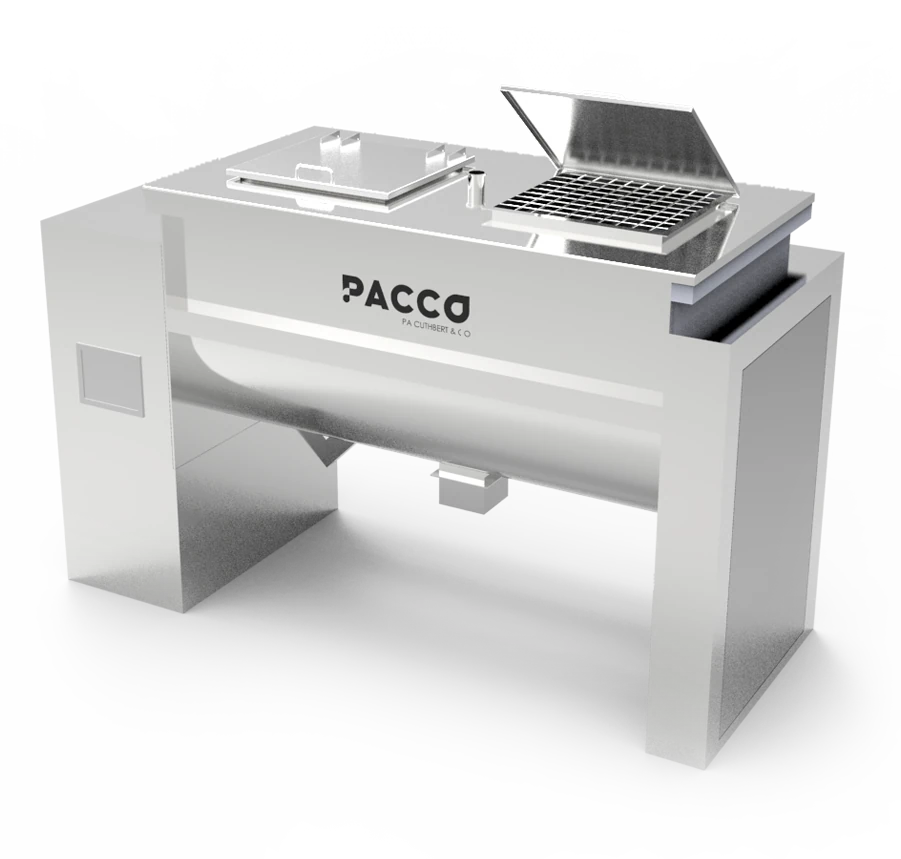
PACCO manufactures ribbon blenders for powder processing in South Africa.
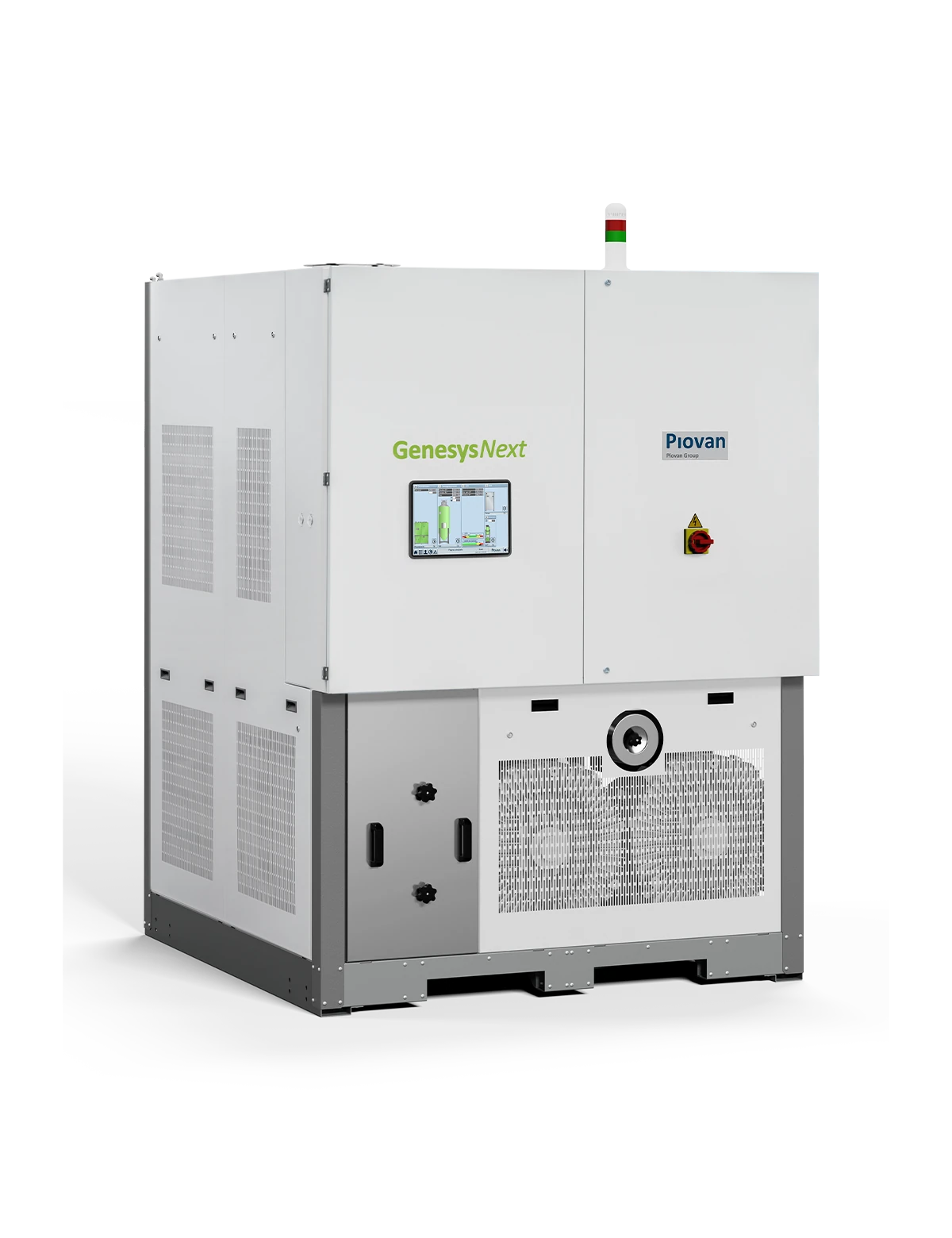
Piovan develops and manufactures automation systems for storage, conveying and processing of plastics and food.
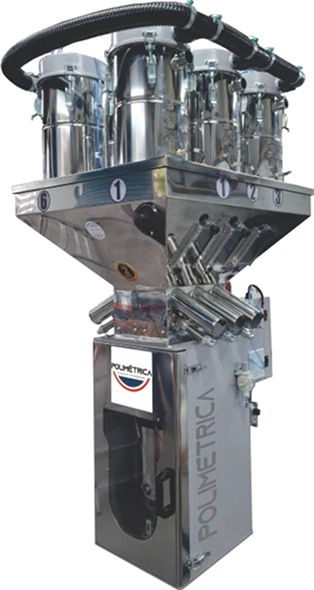
Polimétrica supplies automation equipment for plastics processing in Brazil, including GraviTEC gravimetric dosers.
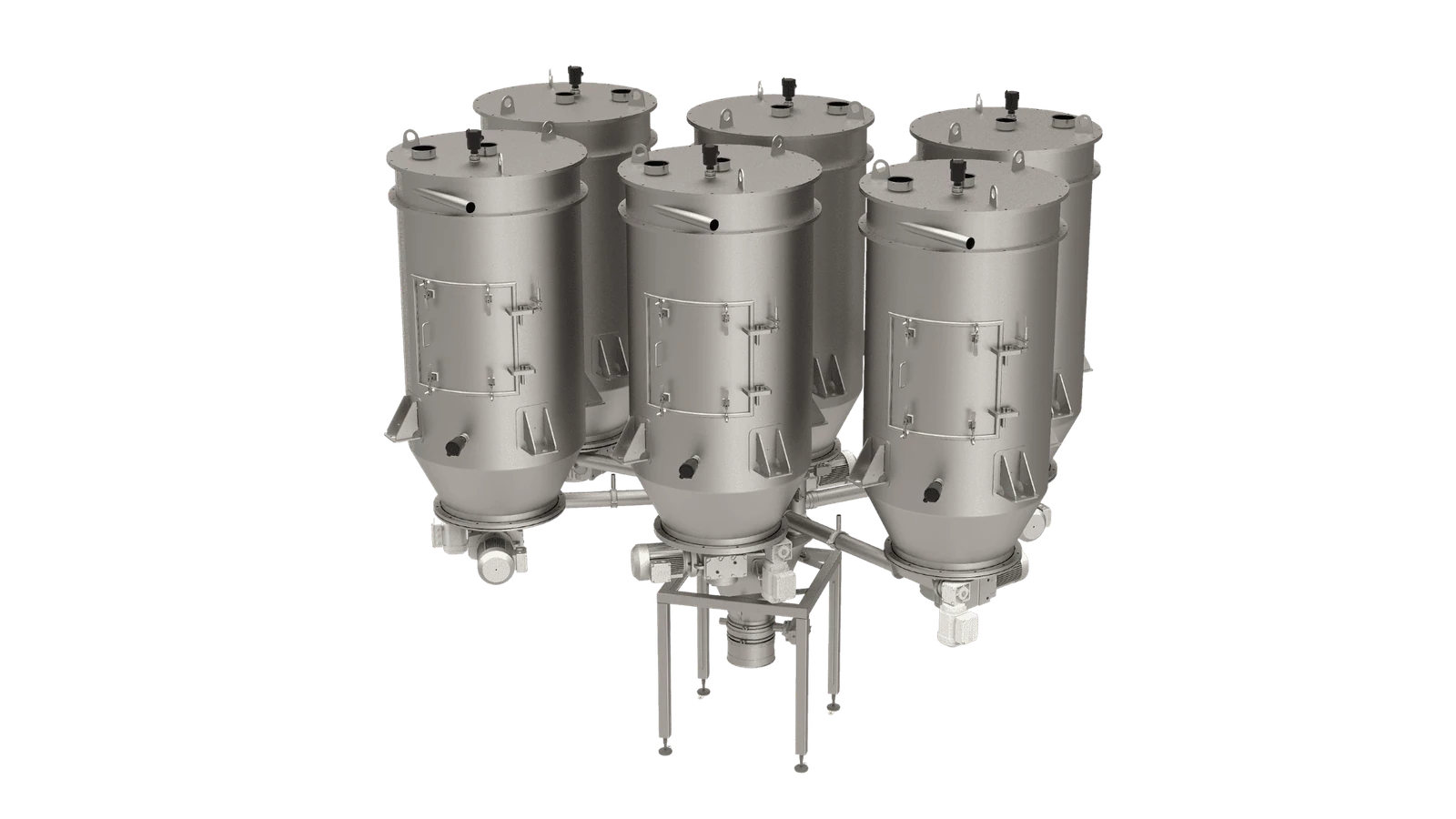
Pro Makina designs and fabricates process equipment in Eskişehir, Turkey.
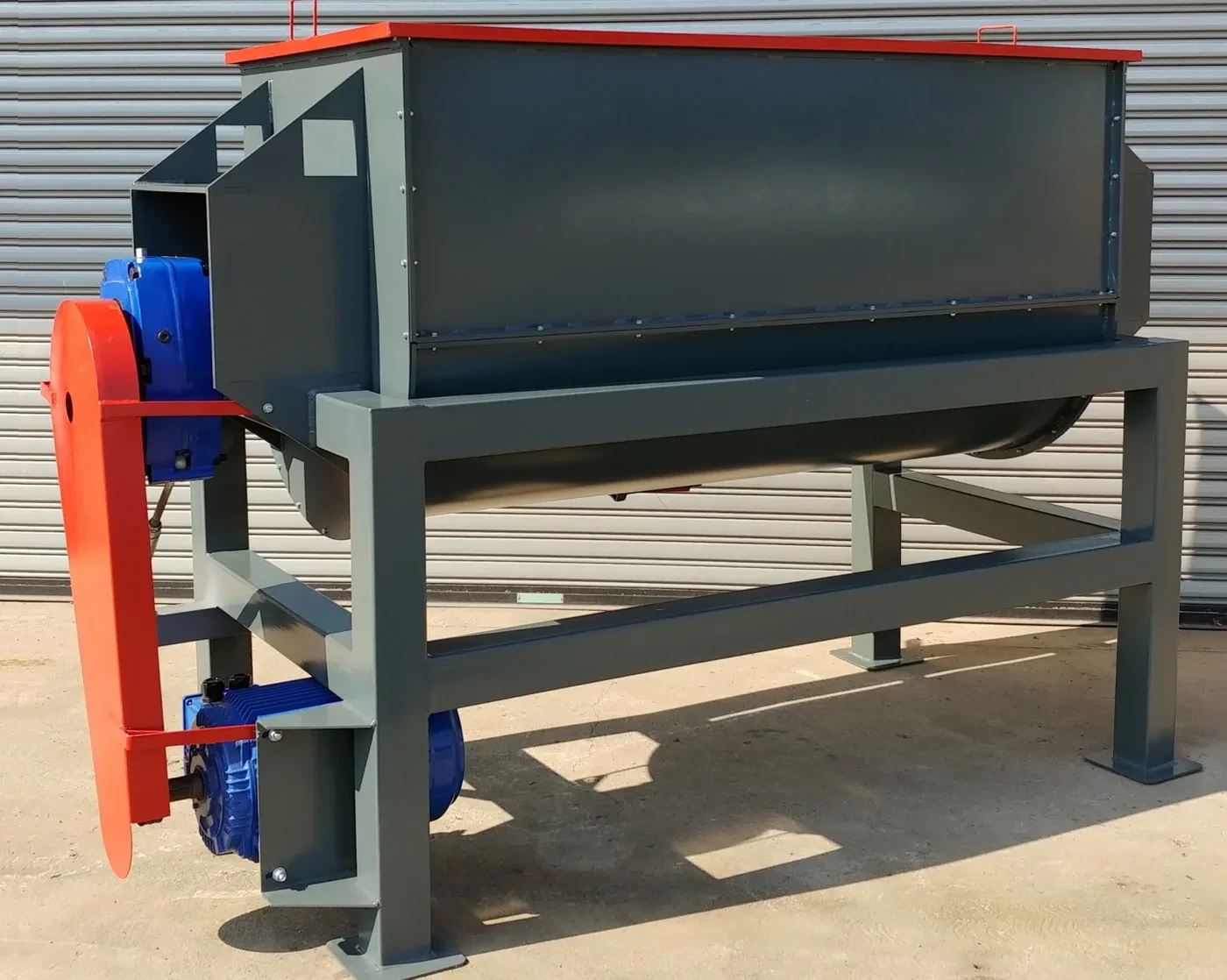
RND Automation designs and builds automation machinery in South Africa, including ribbon blenders.
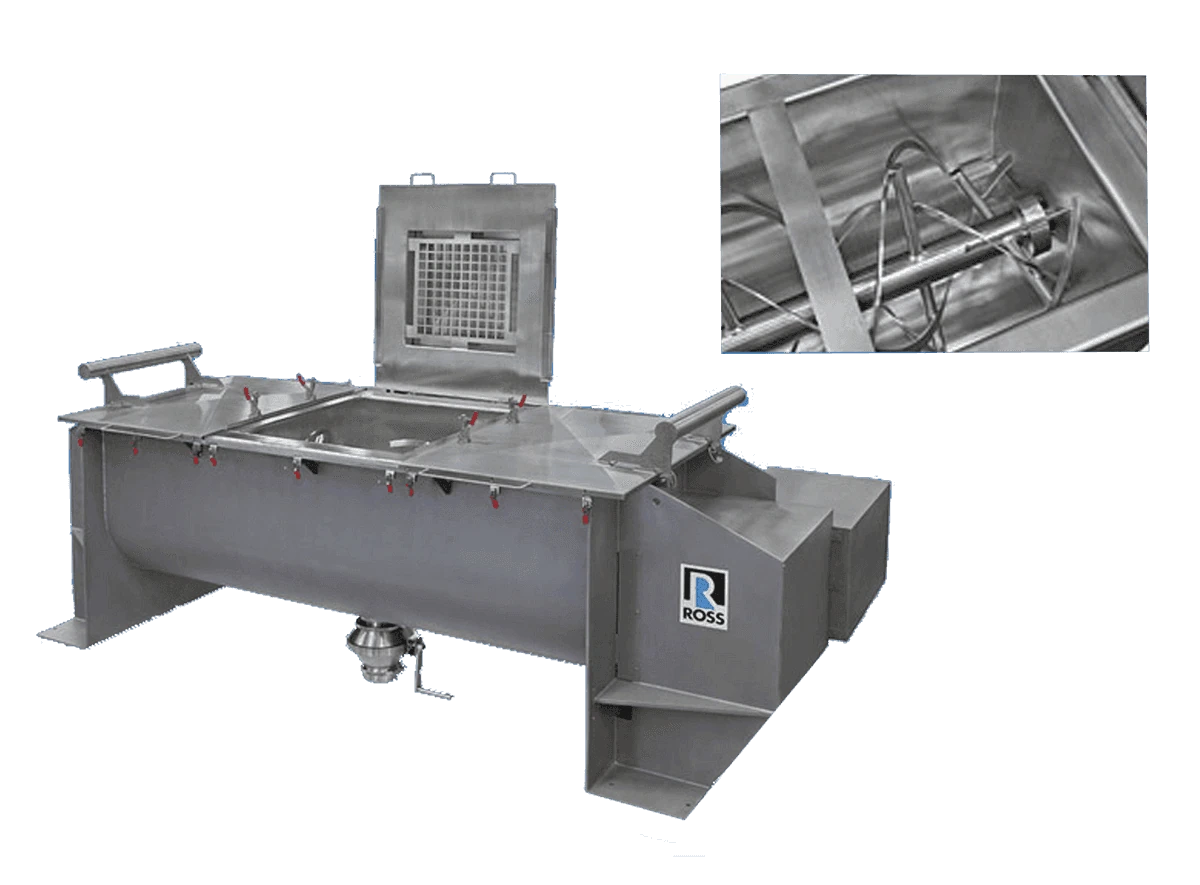
ROSS designs and manufactures industrial mixing, blending, drying and dispersion equipment.
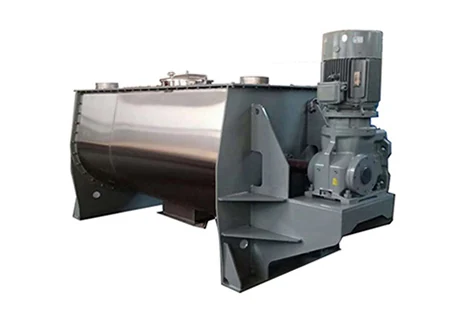
Kairi manufactures mixing equipment in Shanghai. Its range includes horizontal ribbon mixers and twin-screw conical mixers.
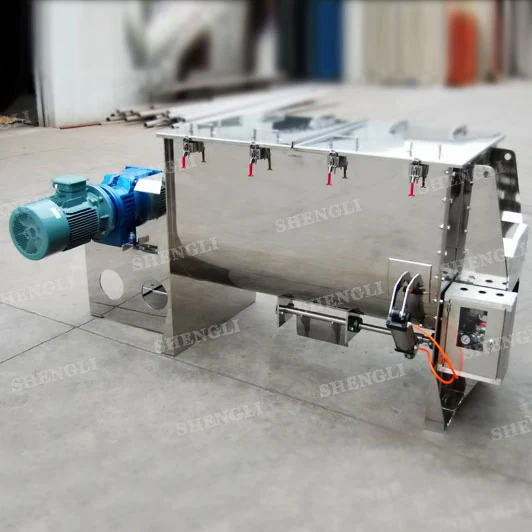
SHENGLI manufactures mixing equipment in Shanghai, including horizontal ribbon and twin-screw conical mixers.
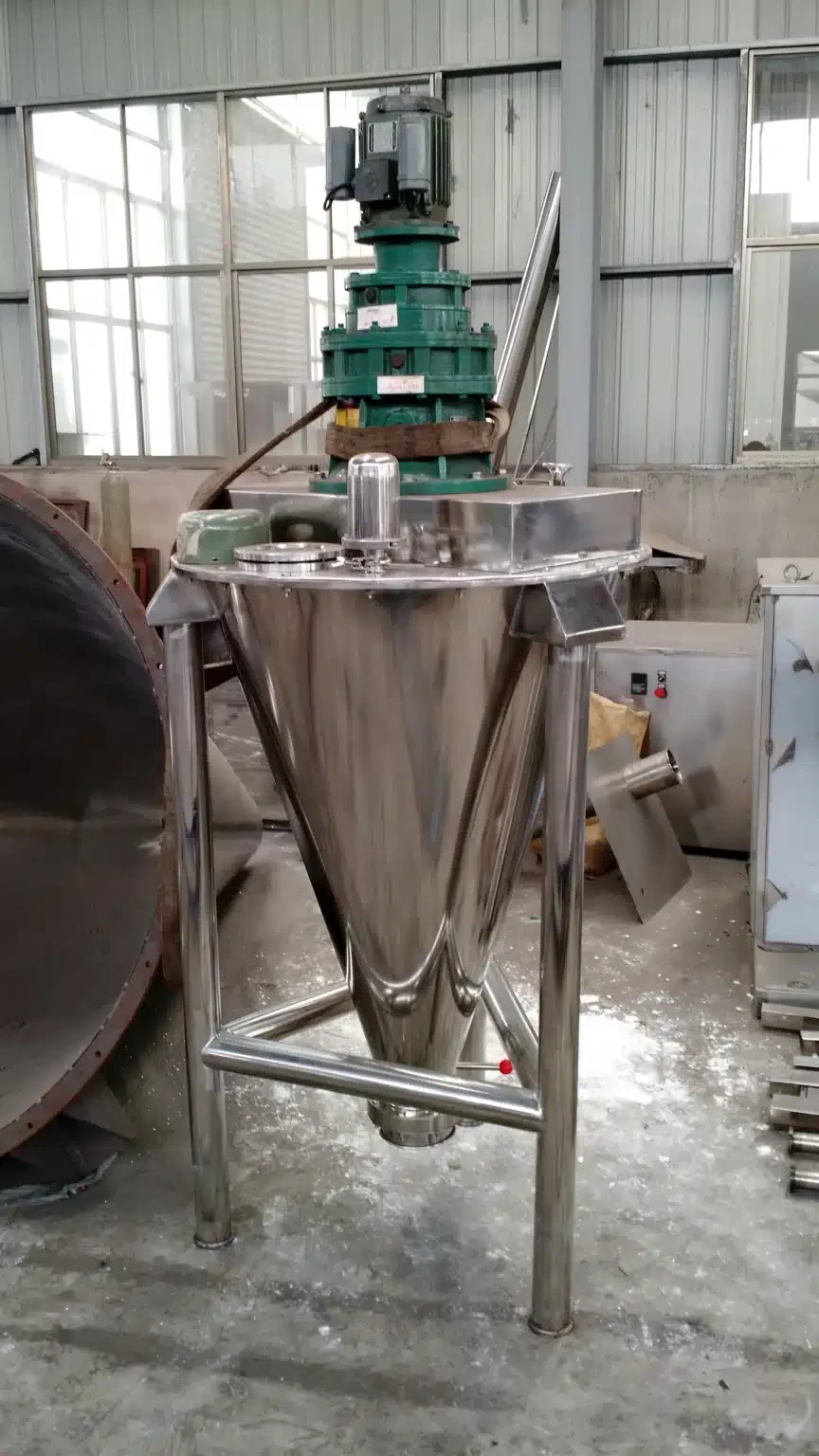
SINOTHERMO is a shared export brand formed by combining the export businesses of two manufacturers. Its equipment includes DSH conical screw mixers.
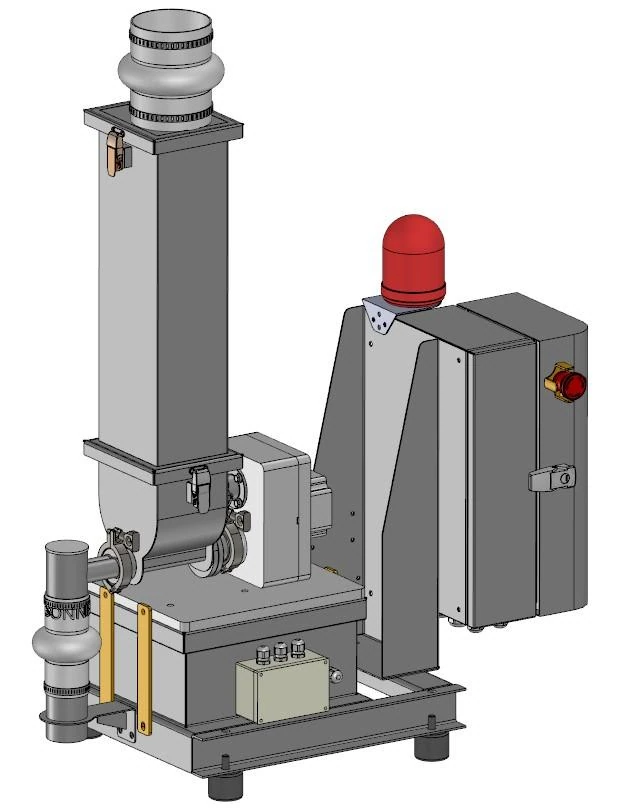
SONNER makes feeding equipment, including S/T screw feeders and LWM liquid feeders.
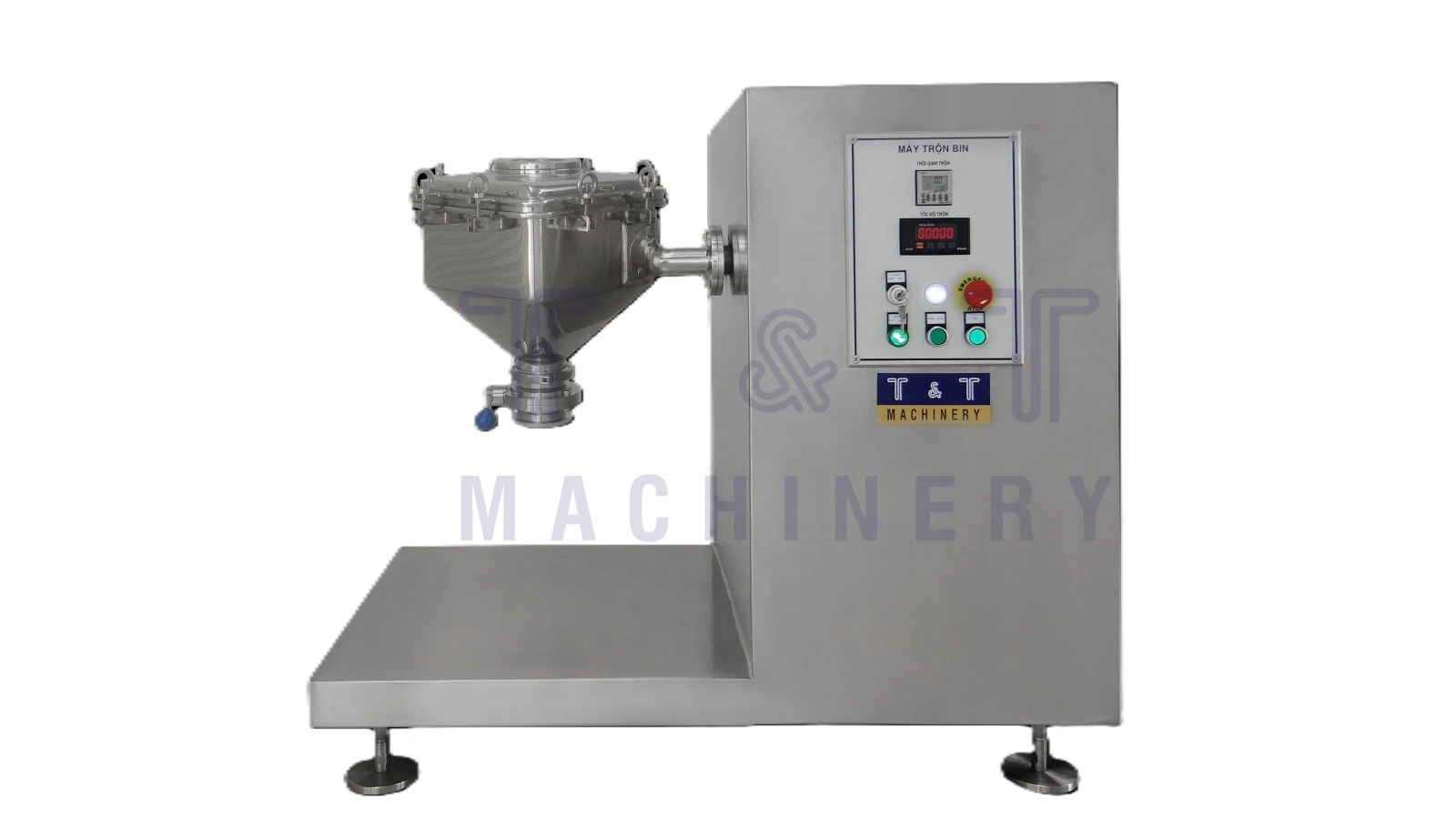
T&T Machinery makes processing equipment in Vietnam, including mixers for research and development.
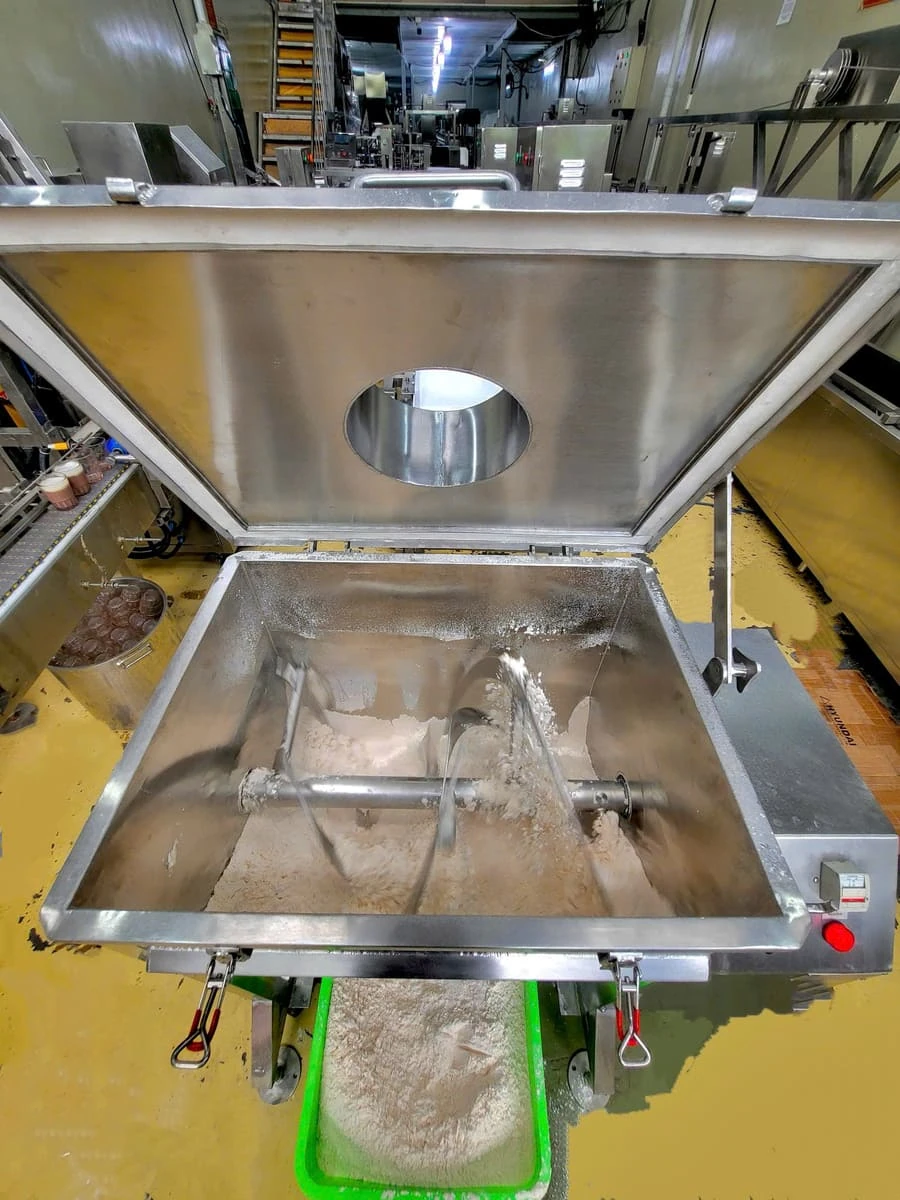
Tech Garden makes food-processing equipment in Vietnam, including horizontal mixers.
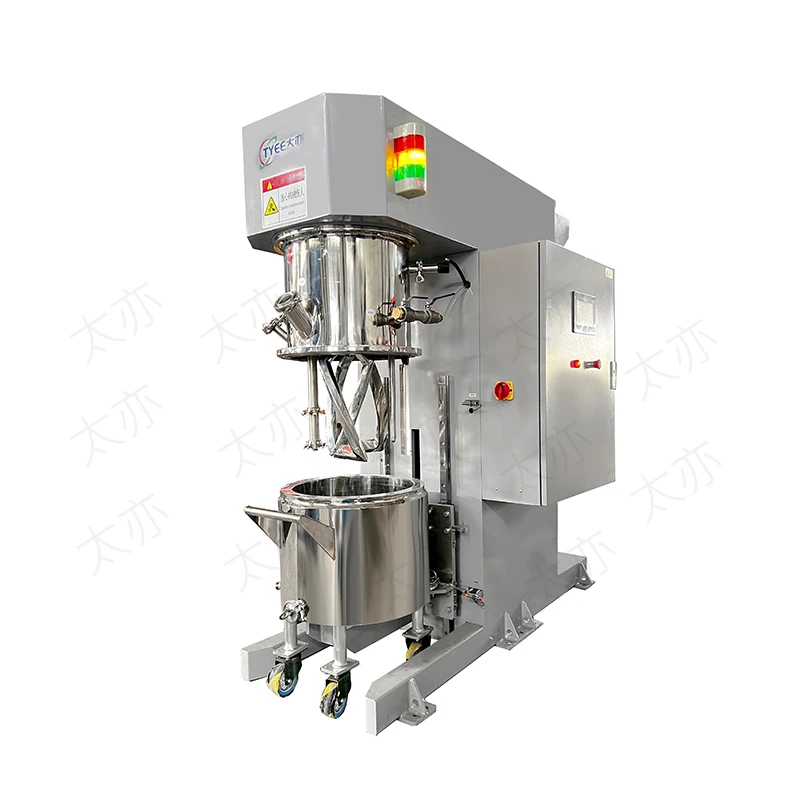
TYEE manufactures mixing and dispersing equipment, including double planetary power mixers for high-viscosity and high-solids materials.
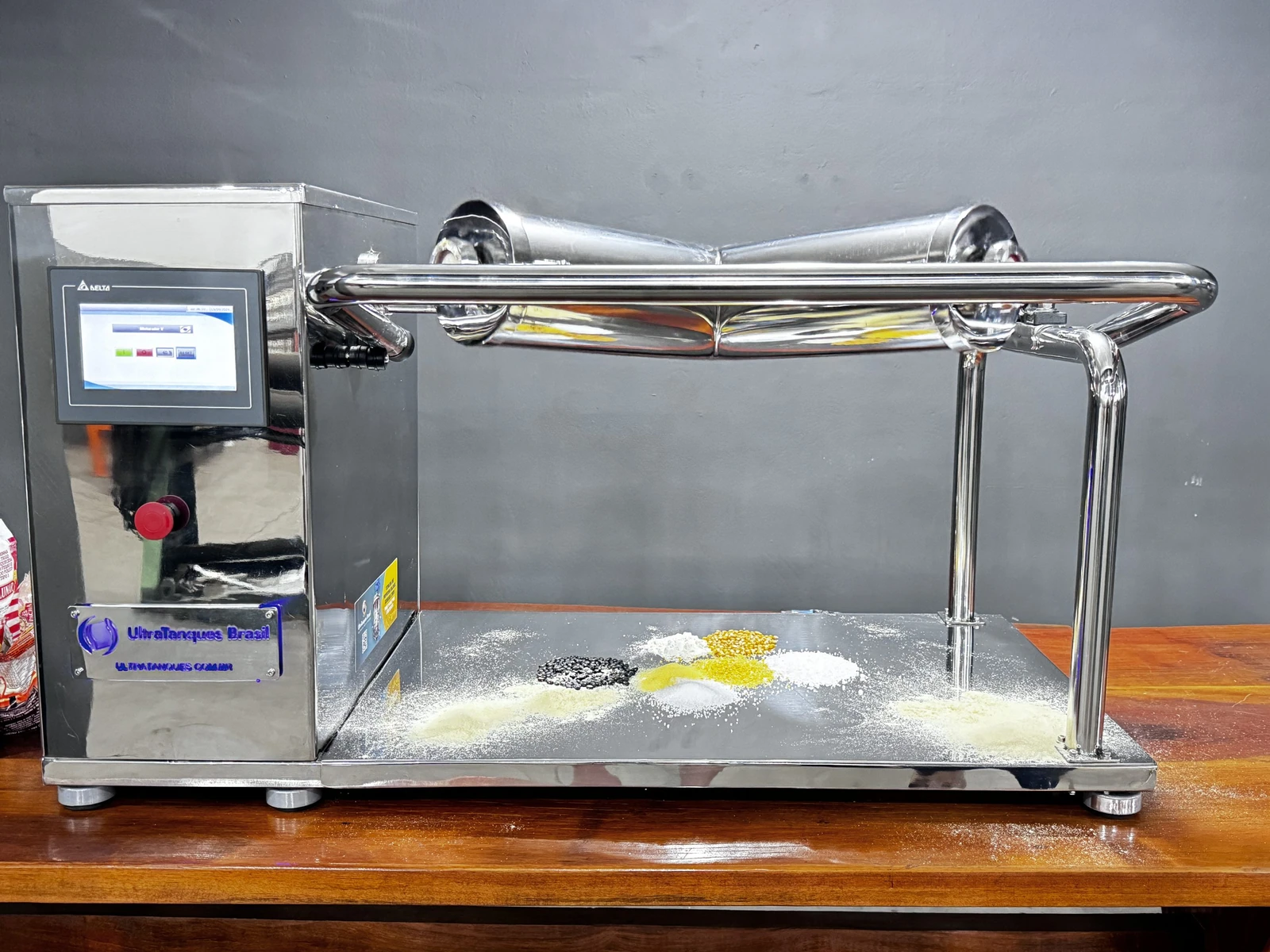
Ultra Tanques Brasil manufactures equipment at its own production facility in Uberaba, Minas Gerais, Brazil.
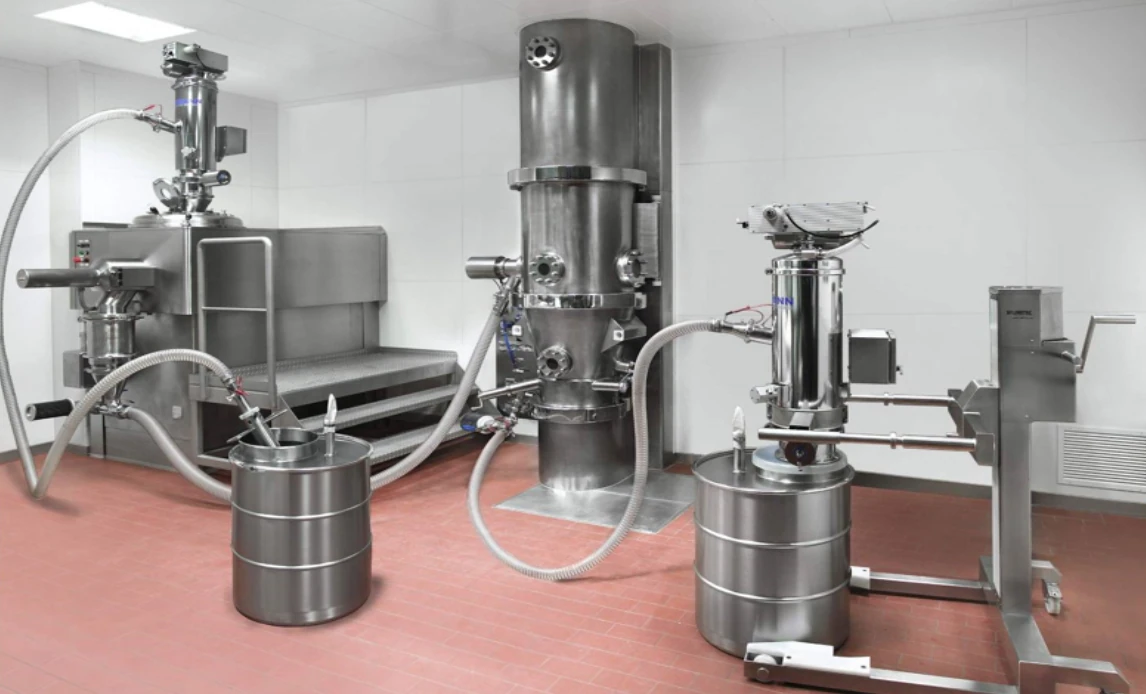
Volkmann manufactures enclosed vacuum conveying equipment for powders in Soest, Germany.
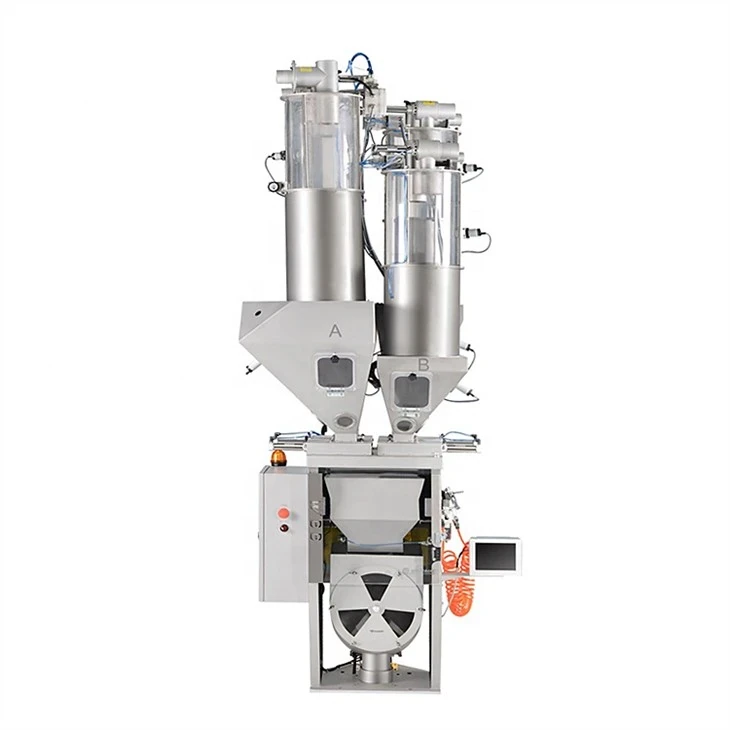
WalthMac develops and manufactures process instrumentation and equipment in Mianyang, Sichuan, China.
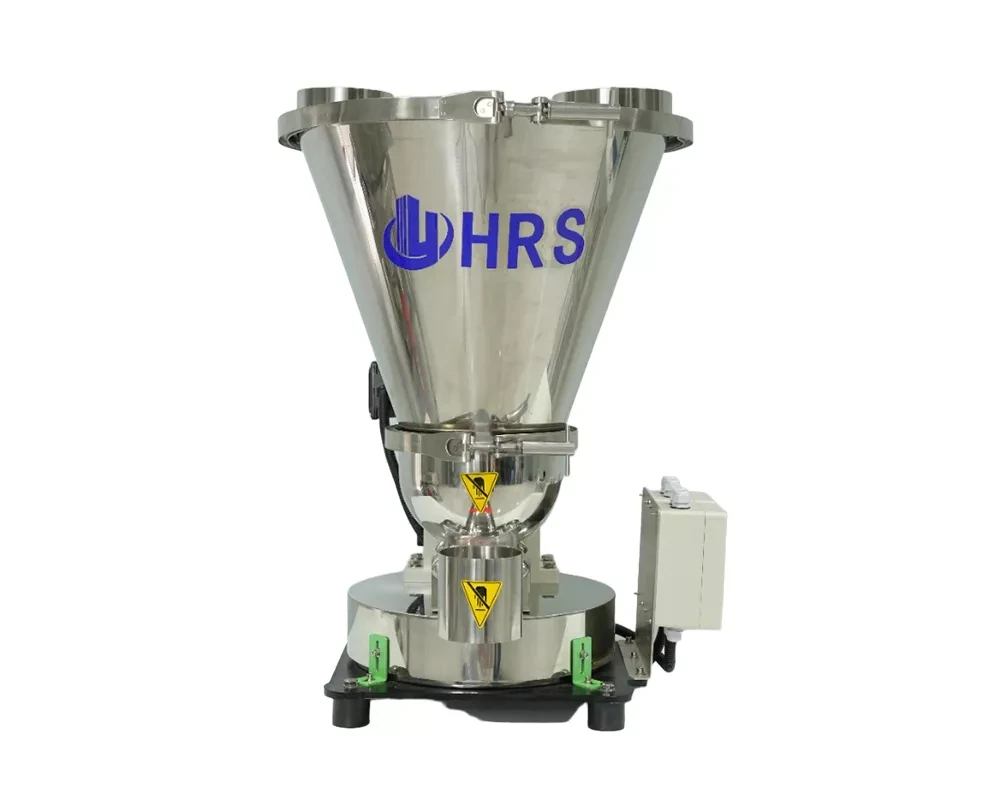
WUXI HENGRISHENG manufactures loss-in-weight feeders, including the HRS-R twin-screw feeder.
Try a different search or clear your filters.
Gravimetric equipment measures material by weight as part of dosing or blending. The examples include continuous blenders for plastics processing and a gravimetric blender range; check how each system handles the intended ingredients.
Company examples
Mixers combine materials in different vessel and agitator designs. The examples include a low-shear batch mixer for powders, pastes and slurries and a ribbon mixer for powders, granules and small amounts of liquid.
Company examples
Compare feeder measurement methods and define the test conditions needed for your process.
Compare measured discharge through refill with controller reports over agreed time windows.
Compare blender throughput and recipe accuracy with actual regrind and complete cycle times.
Compare mixer arrangements and plan a meaningful product trial.